
Programs
Pre Casa, Casa, and Elementary
Mixed-age groups and small class sizes

Montessori
The Montessori approach was developed by Italian physician and educator Maria Montessori. This method fosters independence while guiding children within a supportive structure. It also honors each child’s emotional, social, and physical growth. Here’s what you can expect in a Montessori classroom:
- Experience a prepared learning environment designed to inspire independence, curiosity, and exploration
- Foster respect for the whole child, supporting emotional, social, physical, and cognitive development
- Cultivate care for self, others, and the environment, encouraging responsibility and empathy
- Engage in multi-age classrooms, where children learn from peers and develop leadership skills
- Learn through multiple modalities, including visual, auditory, and tactile experiences to support every learning style
- Follow individual interests while collaborating with others, promoting self-directed and social learning
- Explore concepts at your own pace, with sufficient time to internalize ideas and reach personalized learning goals
- Work with teachers as guides, who scaffold learning and help students take ownership of their growth
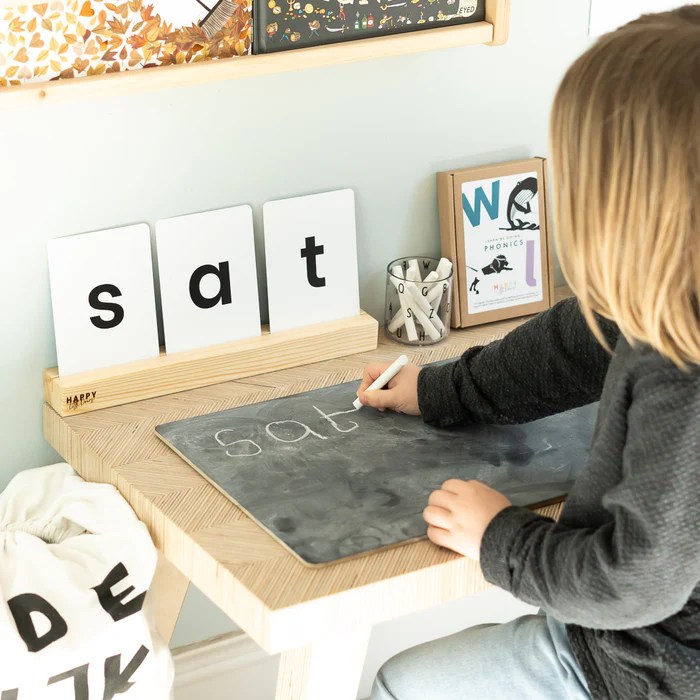
The Science of Reading
The Science of Reading uses research-backed methods to help children become confident and skilled readers. Our teaching follows the Five Pillars of Reading, ensuring a strong foundation in literacy.
- Phonemic Awareness: The ability to identify sounds in spoken words
- Phonics: The ability to decode words by correlating sounds with letters or groups of letters
- Fluency: The ability to read in a way that sounds like spoken language
- Vocabulary: The ability to understand and use a variety of words
- Comprehension: The ability to understand text
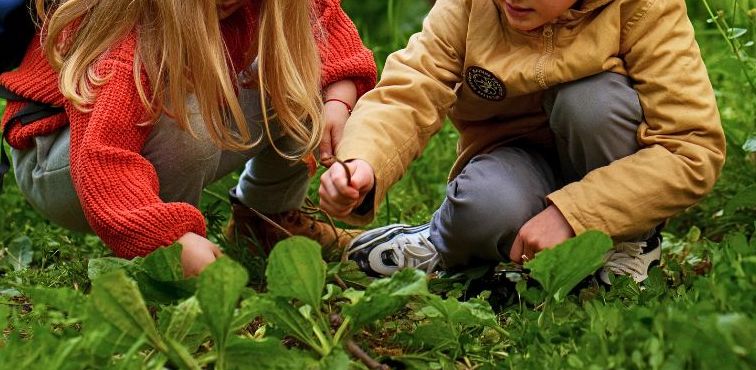
Nature-Inspired
Located on a beautiful six-acre property, our school offers private outdoor spaces including a ravine, creek, garden, field, and playground. Outdoor learning is an integral part of our curriculum. For example, students might apply math skills by building a birdhouse after studying birds, explore scientific concepts through investigating creek water, or integrate practical life lessons with language and botany while gardening.
“Making, tinkering, and engineering are ways of knowing that should be visible in every classroom, regardless of the subject or age of the students.”
— Sylvia Libow Martinez, Invent To Learn: Making, Tinkering, and Engineering in the Classroom
Maker Field STEAM
The MakerSpace Movement began with the launch of Make magazine in 2005 and the first Maker Faire in 2006, inspiring a community around creativity, innovation, and hands-on making. Today, children benefit from MakerSpaces by developing critical skills, bridging the digital and knowledge divide, and gaining the tools they need for future learning and success.
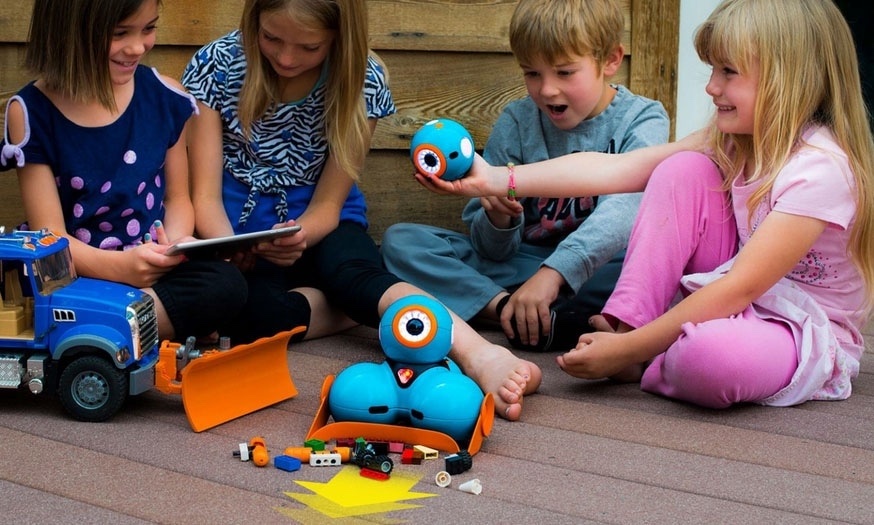
At Penfield Academy, our dedicated MakerSpace, the Maker Field, gives students the freedom to research, investigate, design, and create. They explore a wide range of materials and tools, including arts and craft supplies, fabric and sewing machines, woodworking and cardboard building materials, indoor and outdoor construction parts of all sizes, as well as low- to high-tech devices and robotics. This hands-on environment nurtures creativity, problem-solving, and critical thinking skills.


Enriched Curriculum
We have a balanced curriculum with the main goal to inspire a love for learning. Starting with the right questions, students are challenged to think critically, which leads to investigation and research, and the application of learning through tinkering, designing, and inventing. We encourage students to embrace mistakes in learning and to learn from their mistakes.
At Penfield Academy, we nurture the whole child through a rich, hands-on curriculum:
- Literacy & Math: Montessori materials and UFLI digital tools
- Science & STEAM: Robotics with RoboThink Niagara, Maker Field projects including sewing, woodworking, building, art, pre-coding, and coding
- Social-Emotional Learning & Life Skills: Emotional development, financial literacy, and practical life skills
 penfieldacademy.com